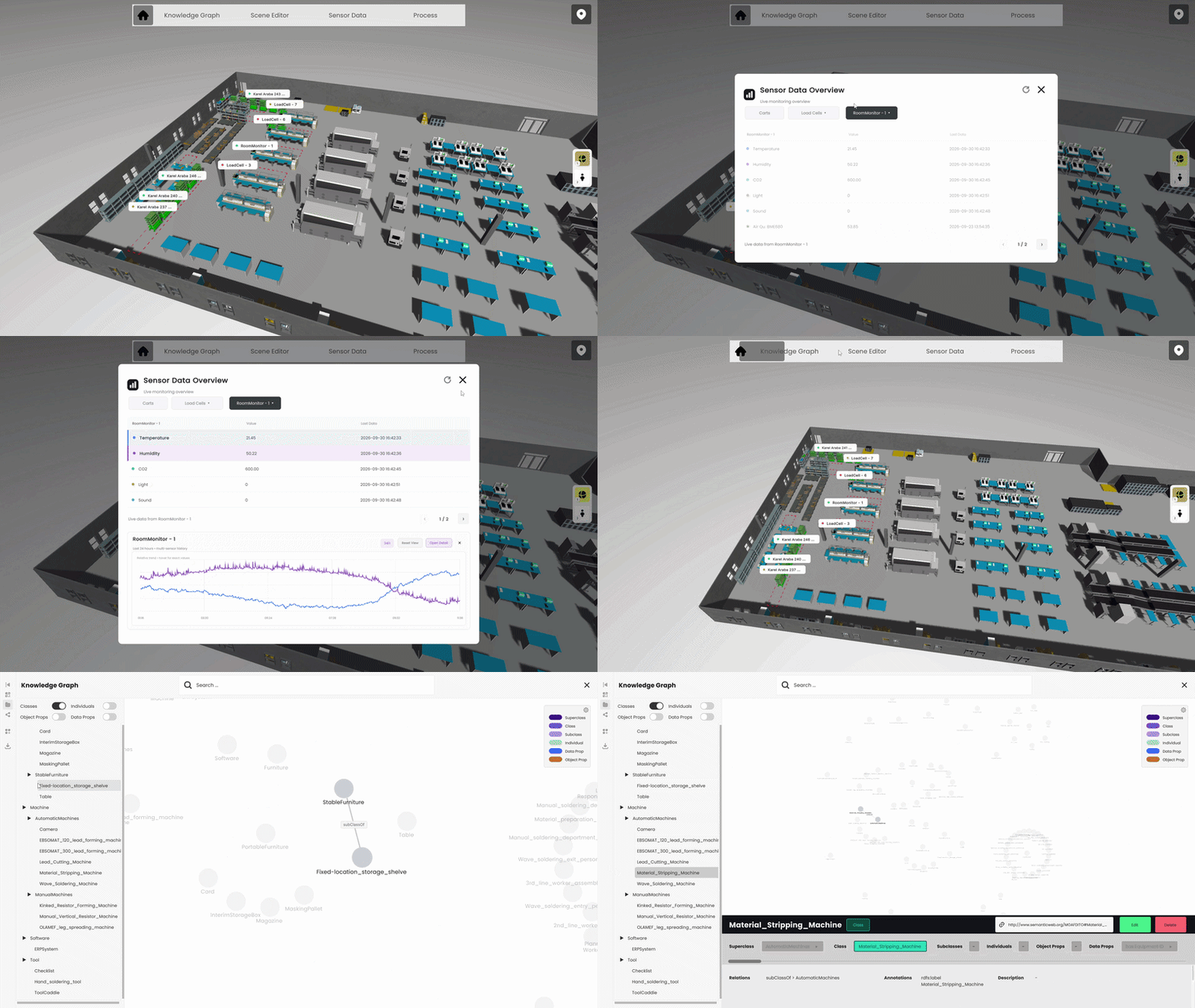
Onto.win transforms fragmented facility information into connected operational intelligence, helping teams understand dependencies, explore scenarios and make better-informed decisions.
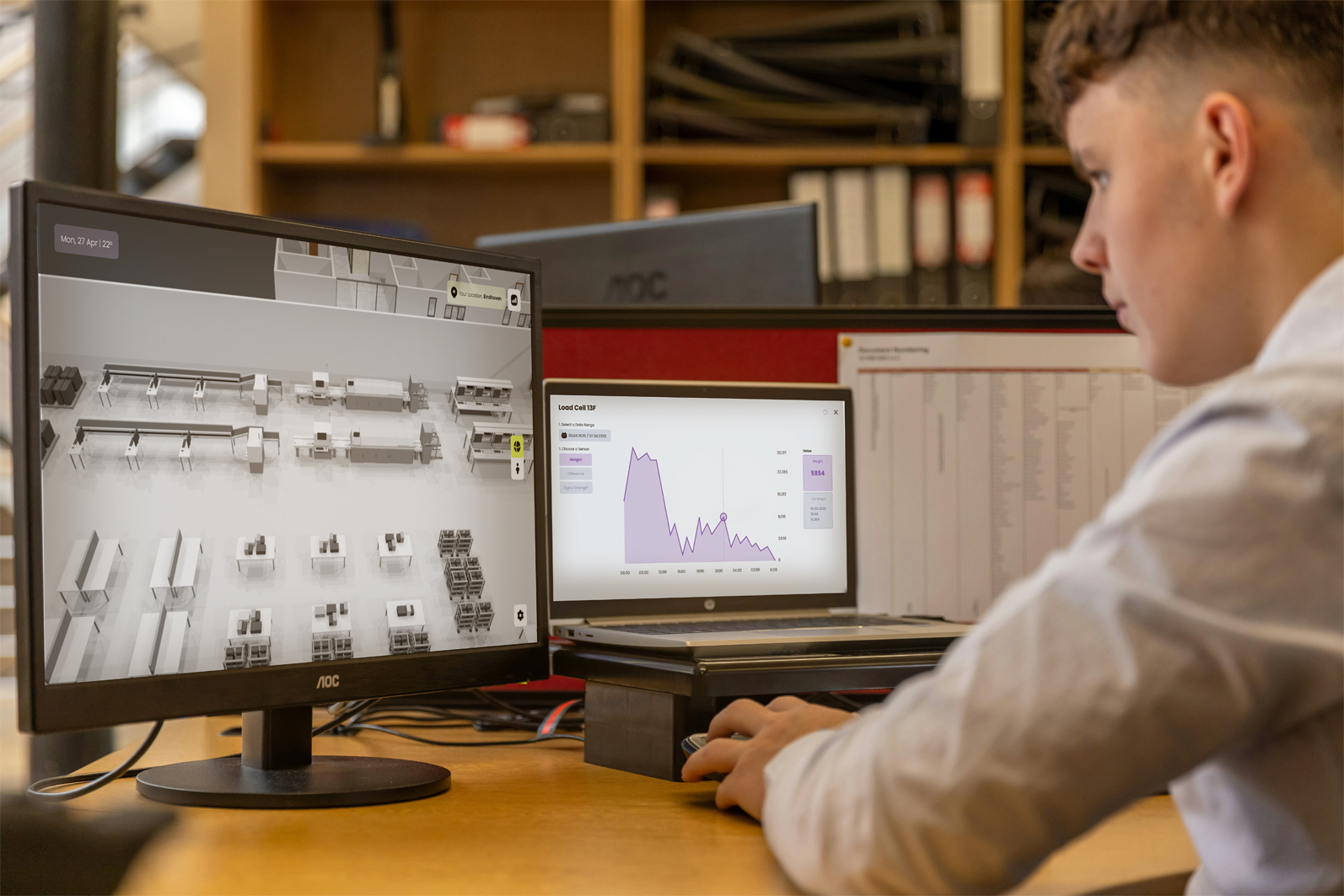
Ontowin is the product platform emerging from this project, turning its research outputs into a practical solution for industry.
Facility data is often spread across ERP systems, machines, sensors and manual records, making integrated decision-making difficult.
Most existing solutions address isolated problems rather than capturing the relationships between processes, resources, space, energy and products.
Operational performance depends on people, workflows and organisational behaviour, yet these factors are often overlooked in conventional digital systems.
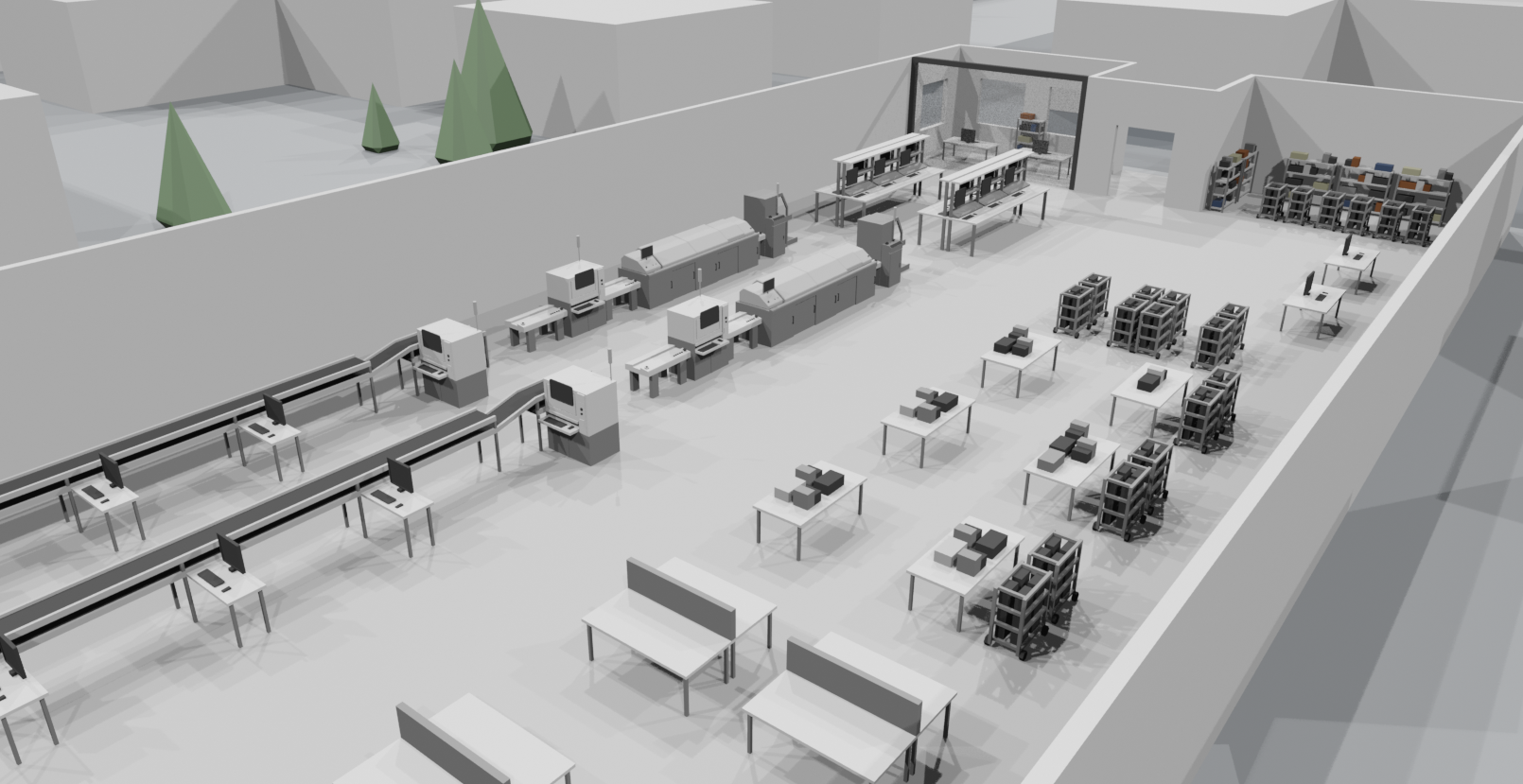
Onto.win creates a connected digital representation of the facility, enabling better visibility, smarter decision-making and continuous operational improvement.
Project follows a five-step framework that connects physical operations with semantic knowledge, AI-based analysis and simulation. Each layer builds on the previous one, enabling onto.win to create a connected understanding of the facility and support data-driven operational improvement.
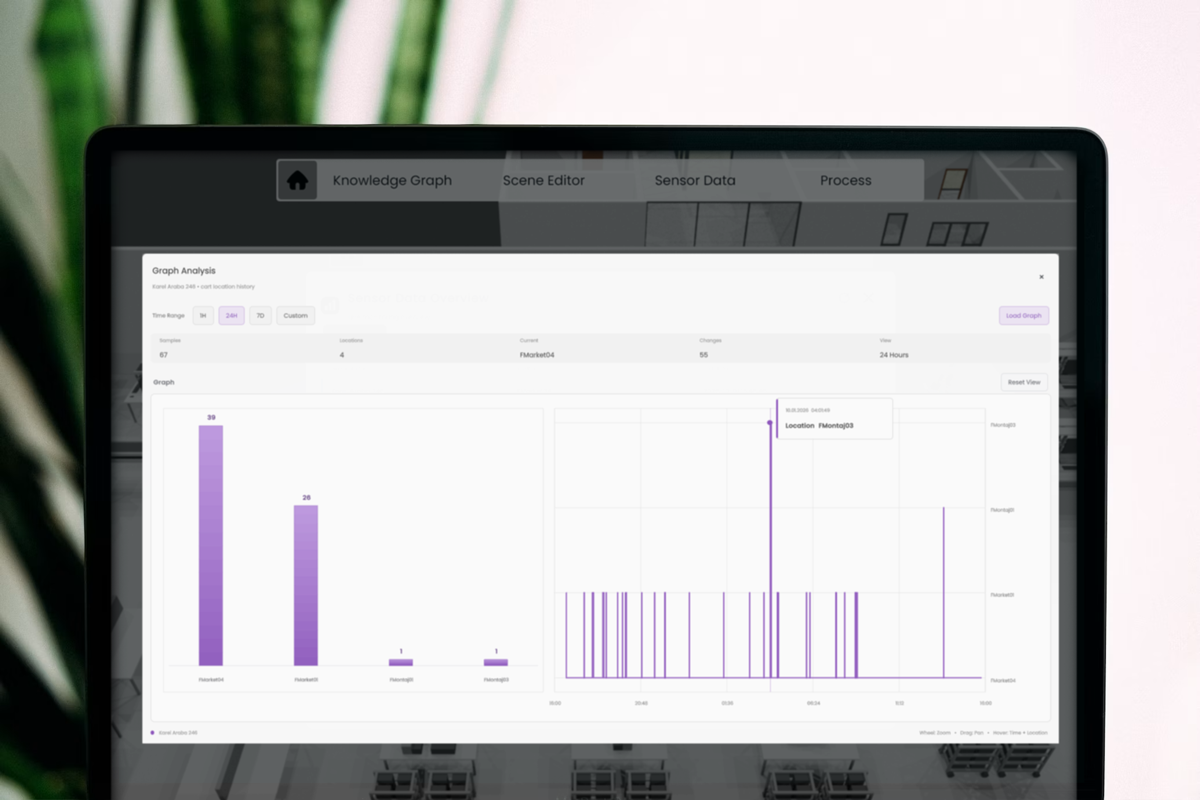
Data from IoT devices, BLE infrastructure, enterprise systems and operational sources is brought together to create a continuously updated view of facility activities, resources and processes.
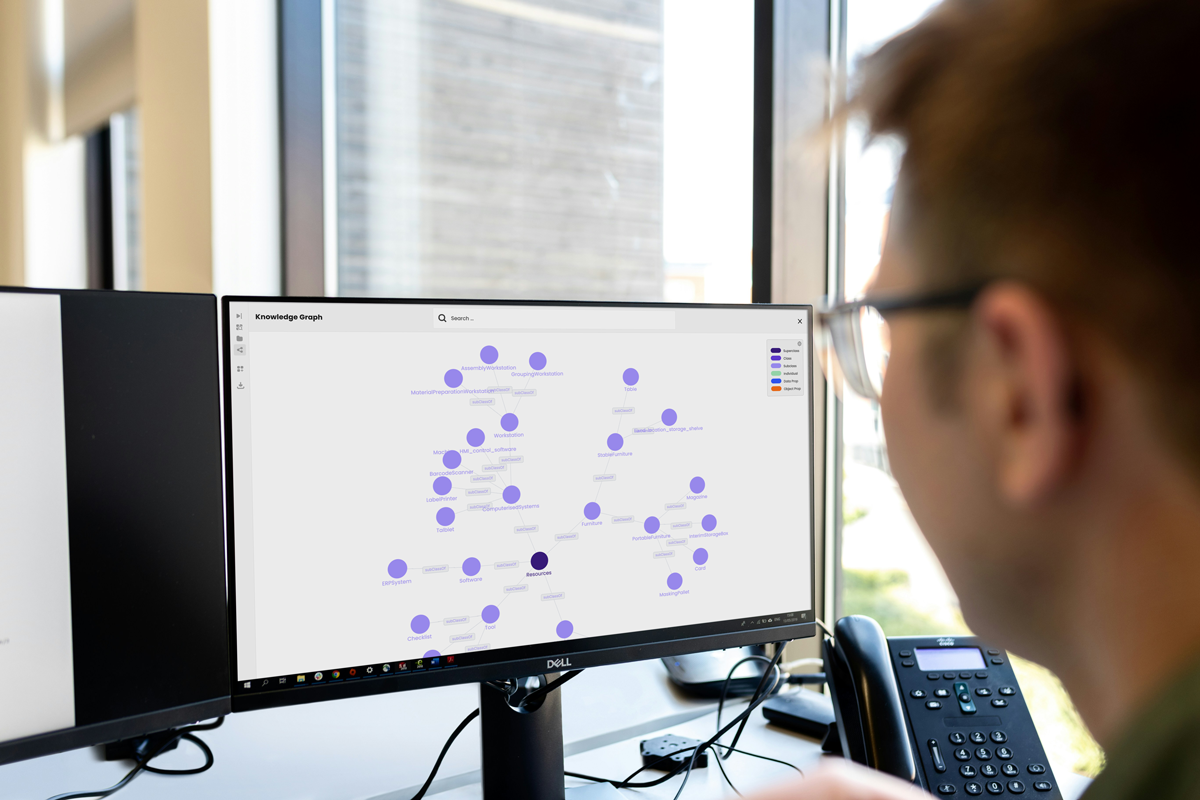
The Multi-Ontology layer structures information about products, processes, resources, spaces and operational relationships. These semantic connections are represented through a knowledge graph, allowing data from different systems to be interpreted within a common context.
AI-based analytical modules use the structured facility knowledge to examine operational data, identify relevant patterns and support interpretation of relationships across processes and resources. The semantic layer provides the context required for more informed analysis.
Digital Twin and Multi-Agent approaches enable alternative operational scenarios to be explored virtually. Changes in processes, resource allocation or facility conditions can be assessed to understand potential effects, interactions and bottlenecks before implementation.
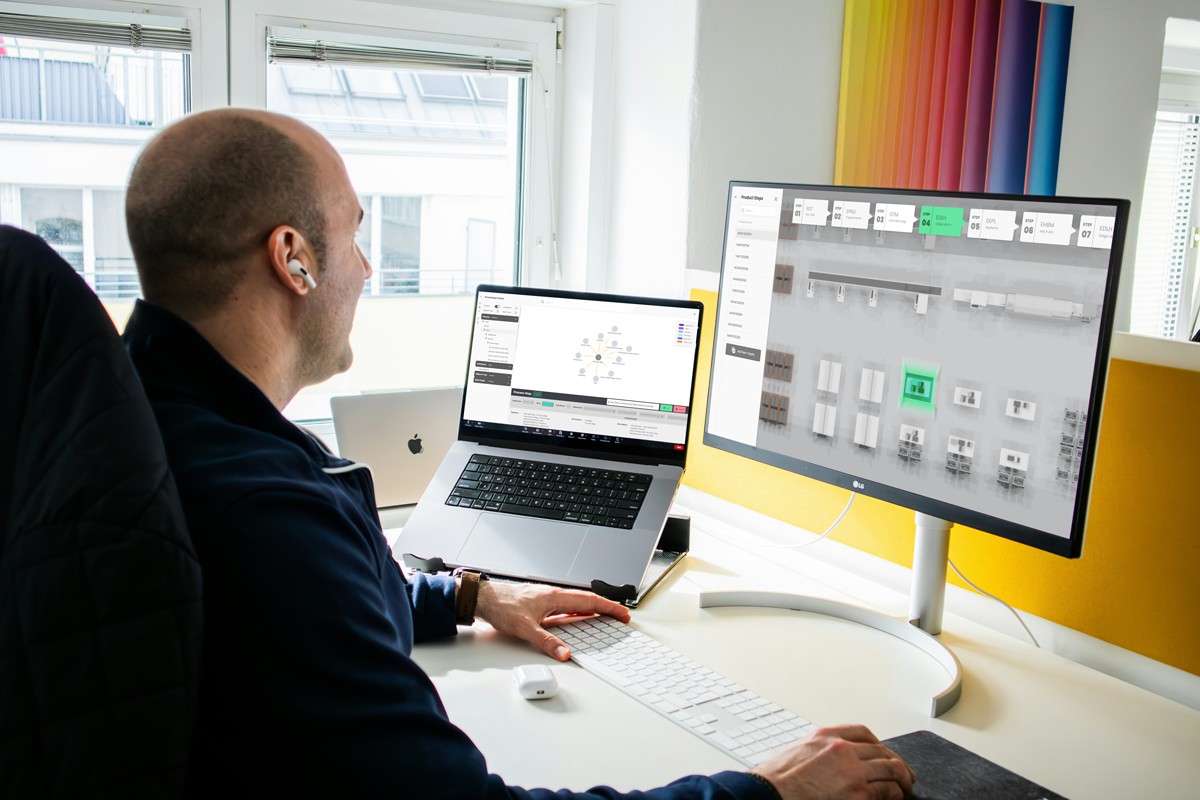
Insights generated through the Digital Twin, semantic models and AI modules can support facility managers in evaluating alternatives and identifying opportunities for operational improvement. Recommendations and scenario results are presented through the onto.win interface to support informed decision-making.
Onto.win replaces fragmented, reactive facility management with a connected, knowledge-driven approach — giving teams the context they need to make better operational decisions.
Data is scattered across systems and teams
See processes, resources and facility data in context
Changes are evaluated within individual systems or departments
See how one operational change may affect other parts of the facility
Problems are often addressed after they become visible
Explore alternatives before introducing operational changes
Systems capture data but provide limited understanding of relationships
Build reusable facility knowledge that can support analysis and future optimisation
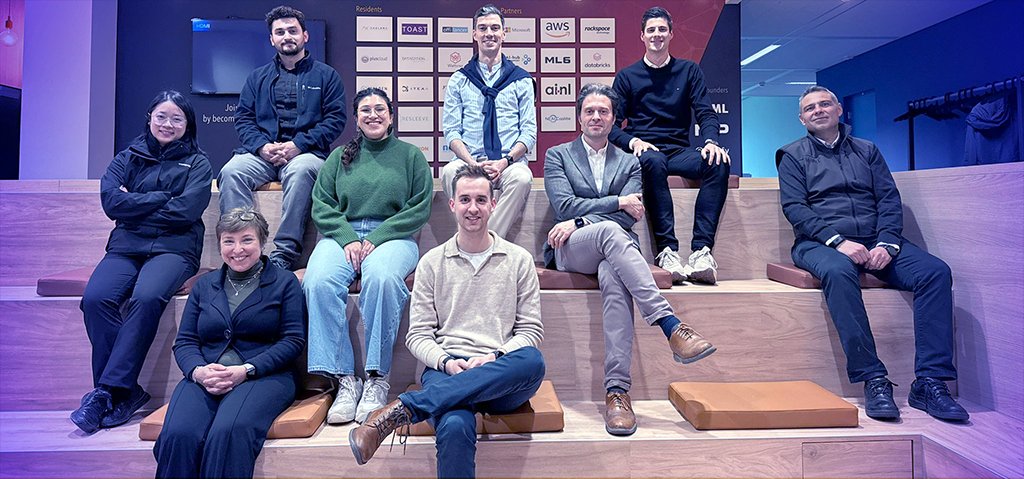
Onto.win is being developed through the Eureka-Eurostars project by four partners bringing together Digital Twin technologies, industrial manufacturing, academic research, AI and data engineering.
JeoIT leads the overall technical integration and development of onto.win, building on its Evolved.City Digital Twin platform and expertise in IoT, facility data integration and digital transformation. JeoIT provides the core Digital Twin foundation that connects facility data, processes, resources and operational systems within a unified platform.
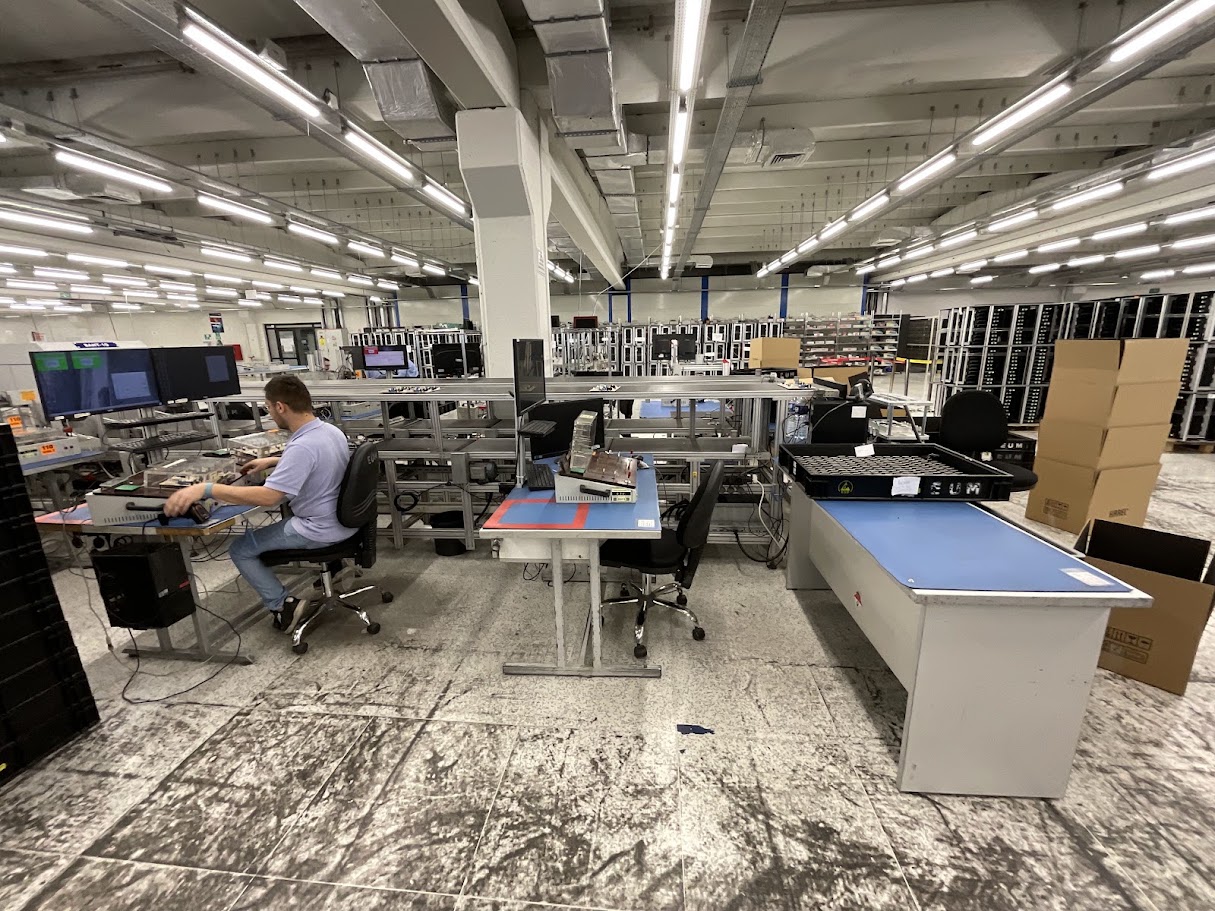
Karel provides the industrial pilot environment and operational manufacturing context, contributing production data, enterprise system knowledge, and expertise in IoT, RFID and shop-floor data collection technologies to support real-world integration and validation.
TU Eindhoven contributes academic expertise in ontology development, semantic knowledge representation, knowledge graphs, architecture, agent-based modelling and reinforcement learning, supporting the creation of a context-aware and semantically connected facility intelligence layer.
Univia leads the development of the AI-Core and data engineering components, enabling heterogeneous operational data to be processed, structured and prepared for AI-based analysis. Its contribution supports the intelligence layer of onto.win by connecting advanced data processing with the platform’s semantic and Digital Twin architecture.
Whether you're a facility manager, investor, or potential partner — we'd love to show you what Ontowin can do. Request a live demo, explore a pilot, or learn more about the Eurostars programme.
Onto.Win was developed with support from the TÜBİTAK-TEYDEB Support Program (Project No: 5902). However, all responsibility for the product/service lies with project partners.